
Online Therapy for Adult Adoptees in Sacramento, CA
For adult adoptees sorting through identity, relationships, reunion, and grief. Serving Sacramento, Roseville, El Dorado Hills, Elk Grove, Folsom, and surrounding communities.
Specialized therapy for adult adoptees in Sacramento and Northern California
When you were younger, the questions were big and abstract: who are my real parents, why was I given up, do I have brothers and sisters somewhere. Now you’re an adult in the Sacramento area, maybe raising your own kids in El Dorado Hills or settling into a house in Folsom, and the questions have sharpened into something more concrete. You’re filling out your daughter’s medical forms at her pediatrician in Roseville and you can’t answer half the family history questions. You’re watching your adoptive parents age in Elk Grove and feeling the urgency of questions you never asked while there was still time. You’re sitting with a DNA test kit on your kitchen counter in Fair Oaks, and you’ve been sitting with it for three months because opening it means confronting something you’ve spent your entire life managing from a distance.
Maybe you’ve lived in the Sacramento region your whole life, and the adoption has always been something your family mentioned but never really discussed. You were told you were loved, you were told you were chosen, and the unspoken message underneath was that those things should be enough. For a long time, they were enough, or you told yourself they were. But now something has shifted, a relationship pattern you can’t break, a reaction to your own child that doesn’t make sense, a growing awareness that the version of yourself you show the world was assembled to keep other people comfortable, and the questions are back.
Or maybe the shift was sudden. You took a DNA test and discovered a biological relative in Carmichael, or a half-sibling in Davis, or a birth parent whose social media you’ve been silently scrolling for weeks. California’s adoption records have historically been sealed, and for Sacramento-area adoptees, that often meant decades without access to birth certificates, medical history, or even birth parents’ names. DNA testing changed that overnight, and now you’re sitting with more information than you know what to do with.
Adoption-competent therapy

You can probably already explain your own reactions better than most people in your life could. You know you pull away when someone gets close, you know you scan for signs that people are about to leave, and you know you've spent most of your life adjusting who you are to make sure you belong. Understanding all of that hasn't changed the reactions, because they started before you had language for any of it, some of them before you had memory.
The therapeutic approaches I use are designed to reach the places where those early experiences are still running the show. You won't need to narrate every painful detail or relive your worst moments to make progress, and much of this work happens with reactions and feelings that don't translate neatly into words, the kind that live in your body's responses rather than in your conscious thoughts.
What clients describe after this work isn't that the memories are gone, because the adoption is still part of your story and always will be. What changes is that the old reactions lose their grip. The memory is still there, but it stops driving your decisions. You can ask questions about your origins without the guilt telling you it means you're ungrateful for the family who raised you, you can let someone get close without your whole body bracing for the moment they leave, and you can sit with complicated feelings about your story without needing to shut them down or let them take over your entire week.
I've spent nine years inside the child welfare and adoption system and completed specialized training in adoption competency through C.A.S.E. (the Center for Adoption Support and Education) and the National Adoption Competency Mental Health Training Initiative.
That means I already understand the competing loyalties, the grief that sits right next to the gratitude, and the particular exhaustion of performing 'fine' for people who need you to be okay with your story. So when you walk into a session, you can go straight to the thing that's keeping you up at night
How Therapy for Adult Adoptees Helps

You sit down with your adoptive mother at her kitchen table in Elk Grove and tell her you’ve found your birth mother online. Her face shifts, and instead of immediately backtracking or apologizing, you stay steady. You say “I love you and I need to do this,” and you mean both parts equally. The conversation is uncomfortable, and you let it be uncomfortable instead of rushing to make her feel better.
You’re at your kid’s soccer game in Folsom and a parent you barely know asks if your son “gets his athletic ability from you or your husband,” and the question doesn’t knock you sideways the way it used to. You give whatever answer feels right in the moment and go back to watching the game.
You meet a biological half-sibling for coffee in Midtown Sacramento, and you’re nervous but present. You notice that she has your hands, and the recognition hits you in the chest, but you stay in the conversation. You ask questions. You listen. You drive home to Rocklin afterward feeling something complicated and real instead of numb.
You stop agreeing to every request at work in downtown Sacramento because you’ve separated the need to be indispensable from the desire to do good work. You take a full lunch break. You leave at 5pm on a Wednesday without guilt.
You sit with your baby in your Rancho Cordova apartment at 3am, and instead of spiraling into thoughts about your own birth mother, what she was feeling, whether she ever held you like this, you stay present with your child. The thoughts still come, but they don’t take over the moment.
You finally open the DNA test kit that’s been on your counter in Fair Oaks for three months. Not because you’ve resolved every fear about what you might find, but because you’re clear enough now to handle whatever comes back.
You notice that the low-grade tension you carried in your body for years, the tightness in your shoulders, the clenched jaw, the sense that you’re always slightly on guard, has loosened. You sit on your back porch in Folsom on a Saturday morning and you’re just sitting there, not running through worst-case scenarios or replaying an awkward conversation from the week. That quiet is new.
You have a conversation with your partner about something adoption-related, maybe your feelings about reunion or your frustration with your adoptive family’s refusal to discuss your origins, and you say what you mean without softening it so much that it loses its shape. They hear you. You hear yourself. The conversation ends in connection instead of distance.
Online therapy for adult adoptees throughout the Sacramento area & Northern California
All sessions are through secure telehealth. You can work with me from your home in El Dorado Hills, Folsom, Roseville, Elk Grove, Davis, Rocklin, Rancho Cordova, Citrus Heights, Fair Oaks, Carmichael, Granite Bay, or anywhere in the Sacramento metro area, without adding a drive to your day.
I also work with adult adoptees throughout the Central Valley and Northern California, including Stockton, Modesto, Fresno, and Redding, where adoption-competent therapists are even harder to find locally.
Online therapy means you’re not limited to whoever happens to practice within a reasonable drive from your house.
I also work with adult adoptees in the East Bay Area and San Jose and all of California.
Who this works well for:
I work with adult adoptees in Sacramento and throughout the greater Sacramento region from all adoption backgrounds: domestic infant, international, transracial, foster care, kinship, and late-discovery adoptees who found out through DNA testing or family disclosure. You don’t need to have had a difficult adoption to benefit from this work. Many of my clients had loving families and still carry questions, grief, or relationship patterns connected to adoption.
This is a good fit if you’re processing DNA results, weighing whether to search for birth family, navigating a reunion or its aftermath, noticing adoption-related patterns in your relationships or parenting, or finding that identity questions have grown more pressing over time.
This may not be the right fit if you need help locating birth family members (I can refer you to search resources), require medication management, or need immediate crisis stabilization.
About Summer
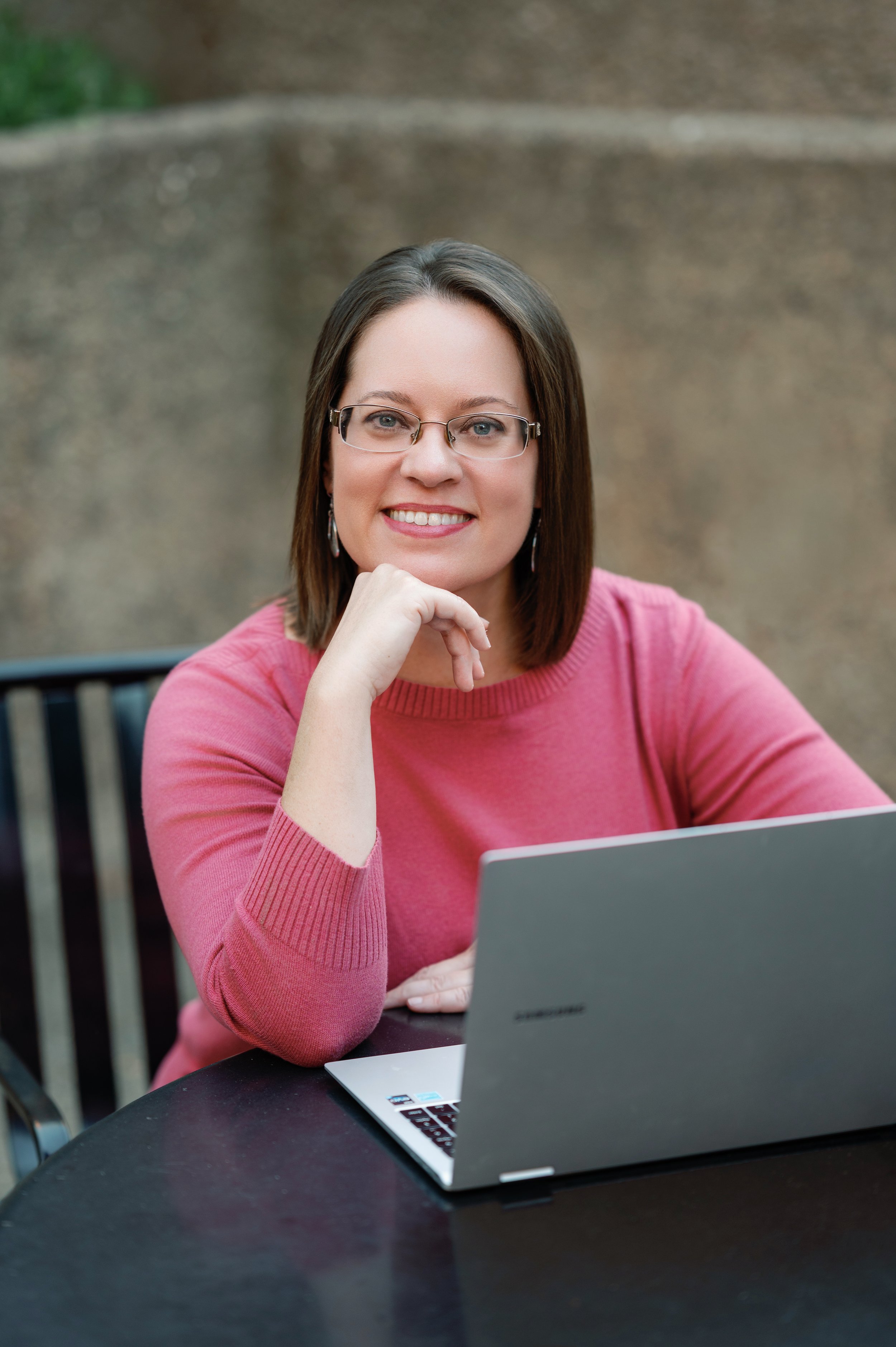
I’m Summer Verhines, Licensed Clinical Social Worker (California LCSW #68507) with C.A.S.E. certification in adoption competency. C.A.S.E. (the Center for Adoption Support and Education) provides the leading training program for therapists working with adopted individuals and families, covering how adoption affects development, identity, attachment, and family dynamics across the lifespan.
I’m based in the Sacramento area and spent nine years in child welfare before becoming a therapist, facilitating placements, completing home studies, supporting birth parents through the decision to place their child for adoption, and working with adoptive families through finalization and beyond.
I’ve seen adoption from every angle in this community, and that experience shapes how I work with adult adoptees now.

Therapy Services Offered
Individual Weekly Therapy
Weekly therapy with me is a steady, collaborative space where you don’t have to perform, explain everything perfectly, or rush toward solutions. We’ll move at a pace that respects your nervous system, blending thoughtful conversation with evidence-based trauma approaches when helpful, so insight and relief can happen together. Some weeks may feel reflective and grounding, others more active and processing-focused—but always intentional and contained. Over time, clients often notice they feel more regulated, more confident in their responses, and less controlled by patterns that once felt automatic.
Intensives
Therapy intensives are longer, focused sessions designed to help you go deeper without the stop-and-start feeling of weekly therapy. In a 2- or 4-hour intensive, we create a carefully paced container that allows time for assessment, preparation, processing, and grounding—without rushing your system. These sessions often incorporate trauma-focused modalities such as EMDR, Brainspotting, IFS, or somatic work, with built-in breaks and regulation throughout. Clients often choose intensives when they want meaningful movement around a specific issue or feel ready for concentrated, intentional healing work. Learn more about intensives here.
Logistics
50-minute Sessions are $250.
I also offer 90-minute sessions for $375 and intensive sessions (2-6 hours) ranging from $500 to $1500 for people who want to work intensively.
I don't take insurance directly, but I can provide superbills for out-of-network reimbursement if your plan covers that.
I am available early mornings, evenings, and weekends. I provide services online only.

Self-Schedule or Contact Me Below
For the quickest and most confidential option, you’re encouraged to book directly into my calendar by clicking the Self-Schedule Here button below. That button will take you to my HIPAA-compliant calendar where you may request an appointment. Once I confirm your appointment request (typically within 24 hours), I will email you the new client forms to digitally sign. Then, we will meet on your scheduled day.
If you have questions prior to scheduling, you can also use the contact form below, and I’ll reply within 48 business hours. If you don’t see a reply, please check your junk/spam folder.
I look forward to hearing from you!
— Summer Verhines, LCSW
Contact Summer
Frequently Asked Questions
-
I am based in the Sacramento area, which means I understand the local adoption landscape, the agencies, and the culture in communities like El Dorado Hills and Folsom.
-
Yes. Infant adoption involves separation from a biological parent during the period when your nervous system was forming its baseline understanding of safety and attachment. Even in the most loving adoptive home, that early experience can shape patterns in relationships, self-worth, and identity that persist into adulthood. Having a good childhood and carrying adoption-related effects are not contradictory. Both can be true at the same time.
-
The first session is a conversation. You tell me what’s going on, what brought you here, and what you want to change. I ask questions to understand your adoption history, your current patterns, and what feels most urgent. We don’t start EMDR or Brainspotting on the first day. Most clients begin body-based work in sessions two or three, once we have a clear picture of what we’re addressing and you feel ready. The first session is also your chance to see whether working together feels like a good fit.
-
Sessions are $250. I’m a private pay practice, which means I don’t bill insurance directly. After each session, I provide a detailed receipt called a superbill that you can submit to your insurance company, and depending on your plan, they may reimburse you for a significant portion of the cost. You can call the number on the back of your insurance card and ask “do I have out-of-network mental health benefits?” to find out before we start.
-
We meet through a secure video platform designed for therapy sessions that meets healthcare privacy standards. You need a private space, a stable internet connection, and a device with a camera. The therapeutic process, including EMDR and Brainspotting, works well through telehealth, and most clients prefer the convenience and privacy of working from home.