
Online Adoption Therapy in California
Adoption-competent telehealth therapy for adoptive parents, adult adoptees, and birth parents throughout California
Serving adults in California via secure telehealth
Adoption-Competent Therapist for Adoptive Parents, Birth Parents, and Adult Adoptees Across California
Adoption affects how you see yourself, how you connect with people, how you grieve, and how you trust, and those effects don’t end in childhood.
Maybe you’re an adoptive parent whose hands shake after every meltdown and you can’t explain why
Maybe you’re a birth parent who hasn’t gotten through a Mother’s Day without breaking down in tears in years
Maybe you’re an adult adoptee who still doesn’t have a good answer when someone asks where you’re really from, and you’re tired of pretending that doesn’t bother you
Each of those experiences requires a therapist who understands the adoption world.
I spent nine years in child welfare and adoption before becoming a therapist. I’ve completed home studies, facilitated placements, supported birth parents through relinquishment, and walked alongside adoptive families through the years after finalization when the real challenges begin.
I am C.A.S.E. certified in adoption competency.
I provide online therapy to California residents statewide, from Los Angeles to Sacramento, San Francisco to San Diego, and the smaller communities where adoption-competent therapists don’t always exist locally.
Adoption-Specific Therapy Services in California
-
Your seven-year-old tells you she loves you, then five minutes later screams that she wishes you weren’t her mom and throws a shoe at your head. You know intellectually that she’s testing whether you’ll leave like everyone else did, but understanding the theory doesn’t stop your hands from shaking after the shoe hits the wall.
Or maybe the problem is quieter: you look at your adopted son and feel guilt instead of love, and you haven’t told a single person because admitting it feels like proving everyone right who questioned your decision to adopt.
You’ve probably tried to get help. Maybe your last therapist suggested a sticker chart for behavior that’s rooted in early trauma, or recommended consequences that made things worse. The approaches that work for other families don’t work for yours, because the problem isn’t discipline. The problem is that your child’s history is activating your nervous system, and nobody taught you what to do with that.
What changes during our work together:
Your daughter throws the shoe and screams that she hates you, and your heart rate goes up but your voice stays level. You stay in the doorway. She cries herself out, and twenty minutes later she’s in your lap and you’re reading a book together, and you can feel the warmth of her against you. You’re not bracing. You’re just there with your kid, and it feels good.
You walk into the IEP meeting and your voice holds. The team suggests “one more year in general ed,” and you push back, not because you’re angry, but because you know your child. You say what she needs and why, and whether they agree or not, you trust yourself to be her advocate. That’s new. You used to leave those meetings second-guessing everything you said. Now you leave knowing you showed up for your kid the way she needs you to.
You call your friend back and say yes to the dinner you’ve been declining for months. You tell her parenting has been brutal, and she tells you about her disaster of a kitchen renovation, and you laugh so hard you almost choke on your wine. On the drive home you realize you had fun, real fun, for the first time in months.
You start thinking about the career you put on hold, or the hobby you dropped, or the trip you stopped planning. Not because the hard parts of parenting are gone, but because they’re not consuming every hour of every day anymore. You have energy for your own life again, and you start using it.
-
Maybe it surfaces every Mother’s Day, when you’re sitting at brunch and someone wishes you a happy Mother’s Day and you don’t know what to do with your face, because you are a mother but nobody at this table talks about that. You excuse yourself to the bathroom, lock the door, and do the math: she’d be seven now. You scroll the adoptive mother’s Instagram from the bathroom floor, looking at a child who has your chin but someone else’s last name. Then you wash your face, go back to the table, and say you’re fine.
Whether you placed your child through a California agency, a private attorney, or a process that crossed state lines, the grief of relinquishment doesn’t follow a timeline. It can surface years or decades later, triggered by a birthday, a pregnancy announcement, or a toddler in a grocery store who has her eyes.
What changes during our work together:
Mother’s Day comes and you stay at the table for the whole brunch. It’s heavy, and you feel it, but you stay. You drive home and spend the afternoon in the garden or on the couch with a book, and the day has room for other things in it besides grief. You had a full day. A sad one, but a full one.
You sleep through the night. The “what if I’d kept her” thought still crosses your mind sometimes, but it passes through instead of waking you up at 2 a.m. and keeping you there until dawn. You wake up rested, and you can feel the difference in everything, your patience, your focus, your ability to enjoy a Saturday.
You tell your partner the full story, the one you’ve been carrying alone for years, and the conversation is hard, but he’s still sitting across from you when it’s over. The next morning is easier because the secret isn’t taking up space between you anymore. You feel closer to him than you have in years, because he finally knows you.
You sign up for the training program you’ve been putting off, or you start running again, or you make plans with the friend you’ve been avoiding. The grief didn’t go away, but it stopped being the thing that uses up all your energy. You have a life again, and you’re starting to like it.
I provide birth parent therapy to California residents statewide through secure telehealth, so you can do this work from a private space without anyone at work or in your family knowing where you’re going.
-
Maybe you took a DNA test last year and discovered half-siblings you didn’t know existed, or a biological parent who lives forty minutes from your apartment. Now you’re sitting with information that changes everything about your story, and you don’t know what to do with it.
Or maybe you’re at a dinner party and someone asks, “where are you really from,” and your throat tightens because they’re looking at your face, your skin, asking about biology you can’t fully answer. Later in the car, you replay the conversation and feel furious at yourself for still not having a better response after thirty years of being asked.
What changes during our work together:
You write that email to your biological mother, hit send, and go make dinner. When the reply comes the next day, you read it at your kitchen table with coffee, and you take your time deciding what to say back. The exchange doesn’t consume your week. You’re curious about where this goes instead of terrified of it.
Your adoptive dad makes a comment about your search and you say “I love you, and I also need to know where I come from.” He’s quiet for a minute, and then he asks you a question about it. You stay for dessert. Something has opened up between you that wasn’t there before.
You stop curating yourself for everyone else’s comfort. You say what you think at dinner, you stop over-explaining your feelings, you let people sit with their own discomfort when the conversation gets real. The energy you used to spend managing everyone else’s reactions is yours now, and you start putting it toward the things you care about, your work, your friendships, the version of your life that belongs to you instead of to your adoption story.
Why Online Therapy for Adoption Works in California

California is a massive state, and finding an adoption-competent therapist locally is difficult no matter where you live.
There are adoption-competent therapists clustered in parts of Los Angeles and the Bay Area, but if you're in San Diego, the Inland Empire, the Central Valley, or anywhere north of Sacramento, your local options may be limited.
Online therapy means your location doesn’t limit the quality of care you can access. Whether you're in a suburb of Orange County, the Bay Area, or a rural community in the foothills, you can work with a therapist whose entire practice is built around adoption.
There are also reasons specific to adoption work that make telehealth a good fit:
Adoptive parents managing their child's school schedule, therapy appointments, and behavioral interventions don't need another drive through LA traffic added to their week
Birth parents who haven't disclosed their adoption history to anyone at work can take a session during lunch from a private room without explaining where they're going
Adult adoptees processing a recent DNA discovery or reunion contact can have a session the same week something surfaces, rather than waiting three weeks for an opening at a local office
Online Adoption Therapy Across California
I provide adoption therapy to California residents in every part of the state through secure telehealth. No matter where you live in California, you can access adoption-competent therapy from a private space in your home, your office, or anywhere you have a stable internet connection.
San Francisco Bay Area
I serve clients in San Francisco, San Jose, Oakland, Palo Alto, Walnut Creek, Fremont, Berkeley, Mountain View, Sunnyvale, Santa Clara, Dublin, Pleasanton, San Ramon, and surrounding communities throughout the Bay Area and Silicon Valley.
Adoptive parents: East Bay Area/Tri-Valley → | San Jose →
Adult adoptees: East Bay Area/Tri-Valley → | San Jose →
Birth parents: East Bay Area/Tri-Valley →
Central Coast and Beyond
I also work with clients in Santa Barbara, San Luis Obispo, Bakersfield, Ventura, and rural communities across California where adoption-competent therapists are not available locally. Online therapy means you don't have to drive two hours to see someone who actually understands adoption.
Adoptive parents: Santa Barbara →
Adult adoptees: Santa Barbara →
Birth parents: Throughout the Central Coast
Southern California
I work with adoptive parents, birth parents, and adult adoptees in Los Angeles, Irvine, San Diego, Pasadena, Long Beach, Santa Monica, Torrance, Newport Beach, Carlsbad, Temecula, Riverside, Rancho Cucamonga, and communities throughout Orange County, the Inland Empire, and San Diego County.
Adoptive parents: Irvine → | San Diego →
Adult adoptees: Los Angeles → | Irvine → | San Diego →
Birth parents: Los Angeles →
Sacramento and Northern California
I work with California residents in Sacramento, Roseville, El Dorado Hills, Elk Grove, Folsom, Davis, Stockton, Modesto, Fresno, Redding, and communities throughout the Sacramento Valley, Central Valley, and Northern California.
Adoptive parents: Sacramento →
Adult adoptees: Sacramento →
Birth parents: Sacramento →
About Summer
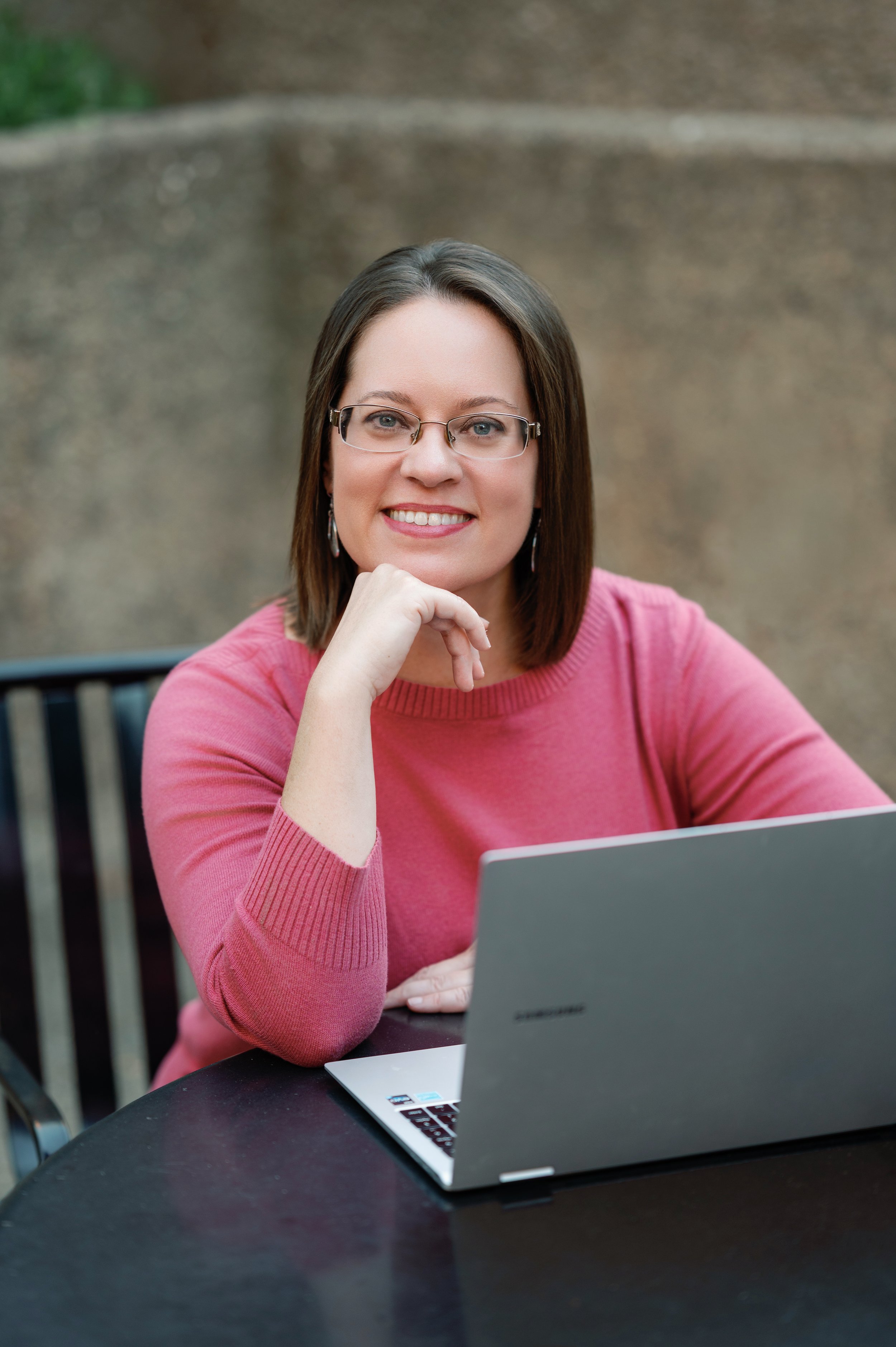
I'm Summer Verhines, a Licensed Clinical Social Worker (CA LCSW #68507) specializing in adoption therapy for adoptive parents, birth parents, and adult adoptees.
Before becoming a therapist, I spent nine years working in child welfare and adoption. I've completed home studies, facilitated placements, supported birth parents through relinquishment, and walked alongside adoptive families through the years after finalization. I am C.A.S.E. certified in adoption competency and use EMDR, Brainspotting, and Accelerated Resolution Therapy (ART) to treat the trauma responses that adoption creates.
I provide telehealth therapy to California residents statewide, with flexible scheduling including early mornings, evenings, and weekends.

Therapy Services Offered
Individual Weekly Therapy
Weekly therapy with me is a steady, collaborative space where you don’t have to perform, explain everything perfectly, or rush toward solutions. We’ll move at a pace that respects your nervous system, blending thoughtful conversation with evidence-based trauma approaches when helpful, so insight and relief can happen together. Some weeks may feel reflective and grounding, others more active and processing-focused—but always intentional and contained. Over time, clients often notice they feel more regulated, more confident in their responses, and less controlled by patterns that once felt automatic.
Intensives
Therapy intensives are longer, focused sessions designed to help you go deeper without the stop-and-start feeling of weekly therapy. In a 2- or 4-hour intensive, we create a carefully paced container that allows time for assessment, preparation, processing, and grounding—without rushing your system. These sessions often incorporate trauma-focused modalities such as EMDR, Brainspotting, IFS, or somatic work, with built-in breaks and regulation throughout. Clients often choose intensives when they want meaningful movement around a specific issue or feel ready for concentrated, intentional healing work. Learn more about intensives here.
Logistics
50-minute Sessions are $250.
I also offer 90-minute sessions for $375 and intensive sessions (2-6 hours) ranging from $500 to $1500 for people who want to work intensively.
I don't take insurance directly, but I can provide superbills for out-of-network reimbursement if your plan covers that.
I am available early mornings, evenings, and weekends. I provide services online only.

Self-Schedule or Contact Me Below
For the quickest and most confidential option, you’re encouraged to book directly into my calendar by clicking the Self-Schedule Here button below. That button will take you to my HIPAA-compliant calendar where you may request an appointment. Once I confirm your appointment request (typically within 24 hours), I will email you the new client forms to digitally sign. Then, we will meet on your scheduled day.
If you have questions prior to scheduling, you can also use the contact form below, and I’ll reply within 48 business hours. If you don’t see a reply, please check your junk/spam folder.
I look forward to hearing from you!
— Summer Verhines, LCSW
Contact Summer
Frequently Asked Questions
-
Most therapists receive zero coursework on adoption during their graduate training. An adoption-competent therapist understands that adoption creates lifelong effects on identity, attachment, grief, and relationships in specific, predictable ways. My C.A.S.E. certification and nine years inside the child welfare system mean I recognize patterns that a general therapist would miss, like the connection between an adoptee's people-pleasing and their early experience of being moved between caregivers, or the link between an adoptive parent's emotional numbness and the toll of absorbing their child's trauma responses day after day.
-
If your previous therapist heard "I was adopted" and then moved on to treating your anxiety or your relationship issues without connecting them back to adoption, they were not adoption-competent. My practice is built entirely around adoption, and every modality I use has been selected because these approaches work with the body-based trauma responses adoption creates. You will not spend the first six sessions educating me on why adoption matters.
-
EMDR, Brainspotting, and ART all adapt effectively to telehealth. Research supports that these modalities produce equivalent outcomes whether delivered in person or online. You'll need a private space where you won't be interrupted, a stable internet connection, and a device with a camera. I'll walk you through the specific setup during your first session. All sessions are conducted through a secure, HIPAA-compliant video platform, and I am fully licensed to provide online therapy to California residents statewide.
-
That depends on what you're working with and which modalities we use. Some clients come in with a specific issue, like processing a failed placement or a recent DNA discovery, and Accelerated Resolution Therapy can produce significant relief in a handful of sessions. Others are working through things that have built up over years, like a pattern of sabotaging relationships before the other person can leave, or the guilt that surfaces every time they look at their adopted child and can't feel what they think they should feel, or decades of performing "fine" at family gatherings while something inside them is screaming. That work unfolds over several months. We'll talk through your situation in the first session and figure out where to start.
-
The first session is about understanding your story and figuring out where to start. I'll ask about your adoption history, what's bringing you in now, and what you want to be different in your daily life. You won't need to tell me everything at once, and I won't jump into trauma processing on day one. By the end of the session, you'll have a clear sense of how I work, whether this feels like a good fit, and what the first phase of treatment would focus on.
-
Most of them are. I work with clients whose adoptions span every type: domestic infant, foster care, international, kinship, transracial, and situations involving disrupted placements or multiple moves. I also work with adoptees and birth parents whose adoptions happened decades ago. Adoption doesn't need to be recent to be affecting your life now, and the specifics of your situation matter. Whatever the details are, you won't need to convince me that your experience is valid or complicated enough to warrant treatment.
-
Sessions are $250. I am a private-pay practice and do not accept insurance directly, though I can provide superbills for potential out-of-network reimbursement.
-
I’m licensed in California, Maryland, and Idaho, and all sessions are online.
-
I work with adoptive parents, adult adoptees, birth parents, and people grieving infertility and pregnancy loss. Each of these experiences creates specific kinds of grief and stress that general therapy often misses, so I've built my practice around them. All sessions are individual, not couples or family.