
Therapy for Foster and Adoptive Parents in San Jose, CA
Therapy for adoptive parents carrying the weight of parenting that no one prepared you for. Serving San Jose, Sunnyvale, Santa Clara, Cupertino, and surrounding Silicon Valley communities.
Trauma-Focused Support for Parents Navigating Adoption in San Jose
The paperwork is done. The home study passed. You did everything the agency asked.
But here's what nobody warned you about: the emotional aftermath of a birth mother changing her mind after you'd already started calling that baby yours, the hollow feeling that shows up after your child finally comes home instead of the joy everyone expects, the way your stomach drops every time your phone rings during a foster placement because you're terrified it's the caseworker saying they're moving your child.
You're exhausted in ways that have nothing to do with sleep. Your jaw stays clenched, your shoulders won't drop, and you find yourself holding your breath without realizing it. The happy family photos on your phone don't match the reality of crying in the Target bathroom or lying awake at 2am wondering if you've made a terrible mistake.
Learn more about my approach to working with adoptive parents here.
How therapy works for adoptive parents

You've probably read every book, taken every training, and tried every parenting strategy the adoption community recommends. You understand why your child hides food in her pillowcase, why he flinches when you raise your voice even though you've never given him a reason to, why bedtime turns into a battle every single night. You have the knowledge, and you're still losing it at 7pm when nothing you've learned seems to work on a child who's screaming that you're not their real parent.
The gap between what you know and what you can do in those moments isn't about effort or education. When your child melts down and your heart starts pounding and your thinking brain goes offline, your body is reacting to months or years of living in crisis mode. You've been absorbing your child's distress day after day, and your brain has started treating every escalation as an emergency, responding before you have a chance to choose how you want to show up.
That's where my work focuses. The therapeutic approaches I use work directly with how your body responds to stress, so the parenting tools you already have can function the way they're supposed to. You won't need to spend weeks retelling your story or narrating every hard moment from the beginning. Much of this work happens at the level of the physical stress response, the racing heart, the tight jaw, the urge to shut down or yell or walk away, and helps it shift so you can stay present when things get hard at home.
I spent nine years working in child welfare and adoption before becoming a therapist. I sat in placement meetings, reviewed case files, and worked alongside families from the very first day a child came home. That means I already understand what food hoarding means, why the anniversary of a placement can bring everything rushing back, and how exhausting it is to love a child who tests your relationship every day because testing is the only way they've ever learned to figure out if someone will stay. So when you describe what's happening in your house, you can go straight to what you need help with.
What changes with specialized, adoption-competent therapy

You'll stay in the room when your child is falling apart. Right now when the screaming starts, your body takes over before your brain catches up, your heart races, your jaw locks, and you either match their intensity or shut down completely. After doing this work, you'll feel the activation start and be able to stay with it instead of being hijacked by it. Your child will melt down at dinner and you'll keep your voice steady, not because you're performing calm, but because your body has genuinely learned that their distress isn't an emergency you have to fix in the next thirty seconds. The meltdown will still be hard, but it won't ruin the whole evening, and your child will learn something about what it looks like when someone stays.
You'll feel things again, including the good ones. The numbness that settled in somewhere along the way, the one that makes you go through the motions of family life without feeling much of anything, will start to lift. Your child will say something funny at breakfast and you'll laugh before you've decided whether it's a good day or a bad day. You'll feel genuine warmth when they climb into your lap instead of just relief that they're not in crisis. You'll look at your partner across the room and feel something other than exhaustion and logistics.
You'll stop carrying the shame of struggling with something you chose. You wanted this child. You fought for this child. And some days you wonder what you were thinking, and the guilt of that thought is worse than the hard day that produced it. When the shame loosens, you'll be able to tell your partner you need a break without it feeling like a confession. You'll be honest with your close friends about the hard days instead of performing the grateful, happy adoption story everyone wants to hear. You'll advocate for your child at school without the fear that asking for help means admitting you can't handle this.
You'll grieve what you lost without the grief swallowing your whole week. Whether the grief is about infertility, a failed match, the biological connection you'll never have with your child, or the version of family life you pictured before reality set in, it won’t eclipse the joy. You’ll be able to attend a baby shower without needing to leave early. You'll fill out the school medical history form with its blank spaces and move on with your afternoon instead of carrying it into the next day.
You'll sleep through the night and have energy left for your own life. The 3am anxiety spirals, the ones where you replay every mistake and plan for every catastrophe, will lose their frequency and their intensity. You'll fall asleep without running through tomorrow's potential disasters, wake up without the dread already sitting on your chest, and have enough energy left after the kids are in bed to read something that has nothing to do with adoption or parenting or trauma.
You'll remember that you're a person outside of being this child's parent. Somewhere in the crisis management and the appointments and the IEP meetings and the constant vigilance, you lost track of the parts of yourself that existed before all of this. You'll pick up a hobby you abandoned three years ago, make plans with a friend and keep them, have a conversation about something other than your child's progress, and make a decision about your own career or your own life without the guilt telling you that wanting something for yourself means you're taking something from your family.
You'll have more of yourself to bring home at the end of the day. When your body stops running on high alert all the time, when the depression isn't draining your reserves before noon, when the shame stops taking up so much space, you simply have more to give. Not because you've tried harder or pushed through, but because the weight you've been carrying has gotten lighter. You'll return a friend's text, sit on the floor and play with your child without watching the clock, have a real conversation with your partner after the kids go to bed, and feel like a person who's living their life instead of just surviving it.

Specialized adoption therapy for adoptive & foster parents in San Jose and Silicon Valley
Online adoption therapy in San Jose, including Sunnyvale, Santa Clara, Cupertino, Mountain View, Palo Alto, Los Altos, Campbell, Saratoga, Milpitas, and communities throughout Silicon Valley.
I also work with adoptive parents in the Bay Area, Fremont, and Sacramento and in all of California.
Meet Summer
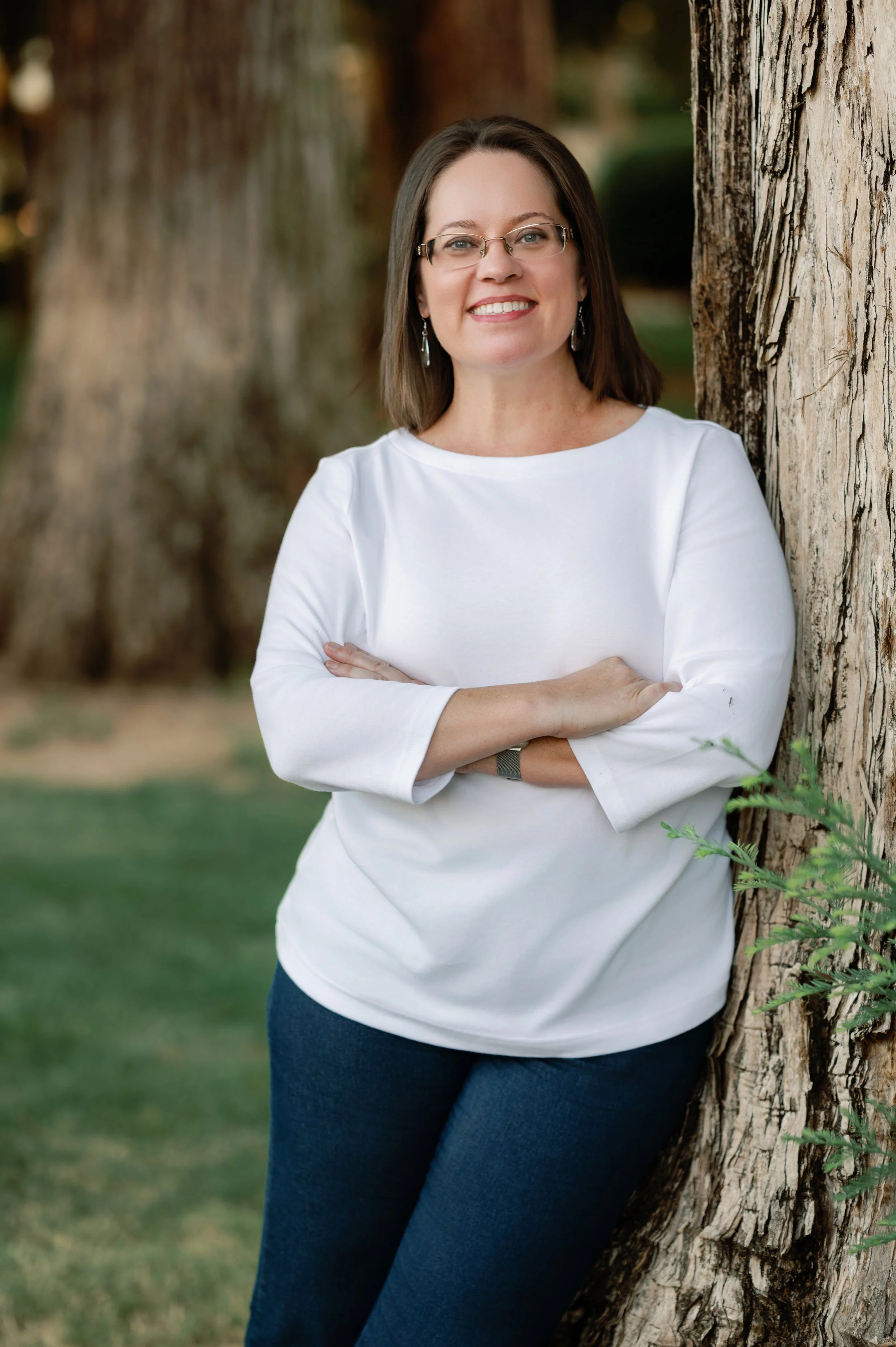
I'm Summer Verhines, LCSW (#68507).
I work with adoptive parents throughout San Jose and Silicon Valley because I understand that adoption doesn't just affect your child, it profoundly impacts you. I’ve been licensed to independently practice in California since 2015.
I have 9 years of experience in child welfare and adoption and I am C.A.S.E. registered (Center for Adoption Support and Education) and have completed training with the National Adoption Competency Mental Health Training Initiative (NTI).
I specialize in supporting adoptive parents through their own mental health challenges: post-adoption depression, secondary trauma, and the grief and burnout that comes with this journey.
Using specialized trauma approaches, I help you heal from failed adoptions, process your own trauma responses, and find sustainable ways to manage the ongoing stress without losing yourself in the process.

Therapy Services Offered
Individual Weekly Therapy
Weekly therapy with me is a steady, collaborative space where you don’t have to perform, explain everything perfectly, or rush toward solutions. We’ll move at a pace that respects your nervous system, blending thoughtful conversation with evidence-based trauma approaches when helpful, so insight and relief can happen together. Some weeks may feel reflective and grounding, others more active and processing-focused—but always intentional and contained. Over time, clients often notice they feel more regulated, more confident in their responses, and less controlled by patterns that once felt automatic.
Intensives
Therapy intensives are longer, focused sessions designed to help you go deeper without the stop-and-start feeling of weekly therapy. In a 2- or 4-hour intensive, we create a carefully paced container that allows time for assessment, preparation, processing, and grounding—without rushing your system. These sessions often incorporate trauma-focused modalities such as EMDR, Brainspotting, IFS, or somatic work, with built-in breaks and regulation throughout. Clients often choose intensives when they want meaningful movement around a specific issue or feel ready for concentrated, intentional healing work. Learn more about intensives here.
Logistics
50-minute Sessions are $250.
I also offer 90-minute sessions for $375 and intensive sessions (2-6 hours) ranging from $500 to $1500 for people who want to work intensively.
I don't take insurance directly, but I can provide superbills for out-of-network reimbursement if your plan covers that.
I am available early mornings, evenings, and weekends. I provide services online only.

Self-Schedule or Contact Me Below
For the quickest and most confidential option, you’re encouraged to book directly into my calendar by clicking the Self-Schedule Here button below. That button will take you to my HIPAA-compliant calendar where you may request an appointment. Once I confirm your appointment request (typically within 24 hours), I will email you the new client forms to digitally sign. Then, we will meet on your scheduled day.
If you have questions prior to scheduling, you can also use the contact form below, and I’ll reply within 48 business hours. If you don’t see a reply, please check your junk/spam folder.
I look forward to hearing from you!
— Summer Verhines, LCSW
Contact Summer
Frequently Asked Questions
-
All sessions are online through secure telehealth. You can meet with me from anywhere in California - your home, office, or even your car if that's the only private space you can find. For San Jose parents juggling work and family, this means no commute time and maximum scheduling flexibility.
-
Traditional talk therapy helps you understand your thoughts and feelings, which has value but often isn't enough when trauma is stored in your body. I use specialized trauma approaches - EMDR, Brainspotting, Accelerated Resolution Therapy, Somatic therapy, and Internal Family Systems - that work directly with your nervous system. These methods help your brain and body actually process and release traumatic experiences, not just develop coping strategies around them.
-
It varies based on what you're working on and which approaches we use. Accelerated Resolution Therapy is specifically designed for short-term work - many parents experience significant relief within just a handful of sessions when addressing specific traumatic memories like a failed adoption or placement disruption. Other parents work with me for several months to process multiple layers of adoption-related trauma. Traditional cognitive-behavioral therapy often takes years to see meaningful change - these body-based methods are significantly more efficient. We'll create a realistic timeline together in our first session based on your specific goals.
-
Absolutely. I work with adoptive parents at every stage of the journey: waiting to be matched, supporting a birth mother during pregnancy, recovering from a failed placement, navigating foster-to-adopt uncertainty, newly home with your child, or years into parenting. Your struggles matter regardless of where you are in the process.
-
I'm a private-pay provider because it allows me to focus on what actually helps rather than what insurance companies will reimburse. However, I can provide Superbills (detailed receipts) for out-of-network reimbursement if your insurance plan offers that benefit. Many adoptive parents find that investing in specialized trauma therapy actually saves them years of ineffective but insurance-covered talk therapy that doesn't address the root issues.