
Online Therapy for Infertility and Pregnancy Loss in Los Angeles, CA
Therapy for the grief of infertility, failed IVF, miscarriage, stillbirth, and TFMR. Serving Los Angeles, Pasadena, Santa Monica, Torrance, Long Beach, and throughout LA County
Specialized therapy for infertility and pregnancy loss in Los Angeles
You keep it together all day. You sit in meetings, answer emails, laugh when someone makes a joke in the break room. Then you get in your car after work and just sit there, because the energy it takes to hold all of this together runs out the second you close the door, and you're not ready to go home and do it again.
Maybe you just got the call that your latest cycle didn't work. Maybe you're weeks past a loss that everyone around you seems to have moved on from, but you can't, because your body hasn't. Maybe you're staring down the decision of whether to try again, and the thought of one more round makes your chest tight before you've even said yes.
You don't have to walk me through what a two-week wait does to your head, or why a friend's pregnancy announcement can knock the wind out of you on a Tuesday afternoon, or why you flinch when your doctor uses that calm, measured tone. I already understand the specific way infertility and pregnancy loss get into your daily life, your sleep, your relationships, your ability to focus at work, your willingness to make plans. That understanding is already in the room when we start, which means your sessions go where they need to go faster.
More about my approach to treating infertility and pregnancy loss.
The specific grief of infertility and pregnancy loss

Infertility and pregnancy loss create a grief that most people in your life won't fully grasp, and that you may have trouble making sense of yourself. You might be mourning a pregnancy that lasted six weeks, or a transfer that didn't work, or a baby you held and named, or a pregnancy you ended because the diagnosis left you with no good options. The loss is real in every one of those situations, even when the people around you don't treat it that way.
I've trained specifically in how reproductive loss affects the brain and body. You won't spend sessions explaining what a two-week wait does to you, or why a friend's pregnancy announcement can feel like a punch to the chest, or why your doctor's calm tone sometimes makes you want to scream. That understanding is already in the room, which means your sessions focus on what this experience is doing to your daily life and how to help it change.
When understanding the grief hasn't changed how your body carries it
After enough cycles of hope followed by loss, your body starts treating hope itself as a threat. That's why you tense up before the phone rings with results, why your heart races when someone asks a harmless question about kids, why you can't settle down even on days when nothing bad is happening. Your body learned to stay on guard, and it hasn't gotten the message that it can stop.
You can understand all of this clearly and still feel the dread arrive on schedule. That's not a failure of insight or effort. It means the grief is living somewhere that insight alone can't reach, which is exactly what the therapeutic approaches I use are designed to work with.
What your life looks like after therapy for infertility and pregnancy loss

You wake up on a Saturday, and your first thought isn't about your cycle, your next appointment, or what went wrong last time. You lie there for a minute, notice the light coming through the window, and think about what you actually want to do today. Your mornings start belonging to you again instead of to the calendar on your fertility app.
Your partner brings up whether to try another round, and instead of shutting down or saying whatever will end the conversation fastest, you actually know what you think. You say it clearly, even though your voice shakes a little. You don't know yet what you'll decide together, but for the first time in months, you can hear your own opinion underneath the fear and anxiety of trying again.
You're at a family dinner and your mother-in-law asks when you're going to give her grandchildren. You feel the heat rise in your chest, but this time you don't swallow it or explode. You say something brief and kind that redirects the conversation, and then you actually enjoy the rest of the meal. On the drive home, you notice the question didn't follow you. You're thinking about the dinner party, not replaying the grandchildren question on a loop for the next three days.
You sit down at your desk on Monday morning and actually focus. The project that's been sitting half-finished for weeks starts moving again. You make it through a full afternoon without checking the fertility forum or falling into a research spiral, and when you close your laptop at the end of the day, you feel like you accomplished something that has nothing to do with treatment.
You catch yourself making plans three months out, a trip, a class, something you've been putting off because you kept thinking "maybe by then I'll be pregnant." You book it anyway, and it feels less like giving up and more like choosing to live your best life while you figure out what comes next.
Online therapy works for infertility and pregnancy loss in Los Angeles

Driving across Los Angeles for a therapy appointment adds stress to an already heavy week. Online therapy means you can have your session from a private space at home, your office, or wherever you have a quiet moment and a stable connection. No commute, no sitting in a waiting room where someone might recognize you.
I work with clients throughout the Los Angeles area, including Pasadena, Long Beach, Santa Monica, Torrance, Burbank, Glendale, Studio City, Encino, Sherman Oaks, Manhattan Beach, Redondo Beach, and communities across LA County.
I also work with clients going through infertility and pregnancy loss in other parts of California, including Irvine and San Diego.
Who this is for
I work with people at every stage of the infertility and pregnancy loss experience: in the middle of treatment, after a failed cycle or transfer, after a miscarriage or stillbirth, after a TFMR, after deciding to stop trying, or years later when you realize you never fully processed what happened.
I also work with people who are pregnant after a loss and carrying anxiety through what everyone keeps telling them “should be” a happy time.
This is a good fit if you want a therapist who understands infertility and reproductive loss specifically, and who uses approaches that work with your body and nervous system, not just your thoughts. This is not a good fit if you're looking for couples therapy (I work with individuals), parenting advice, or fertility coaching.
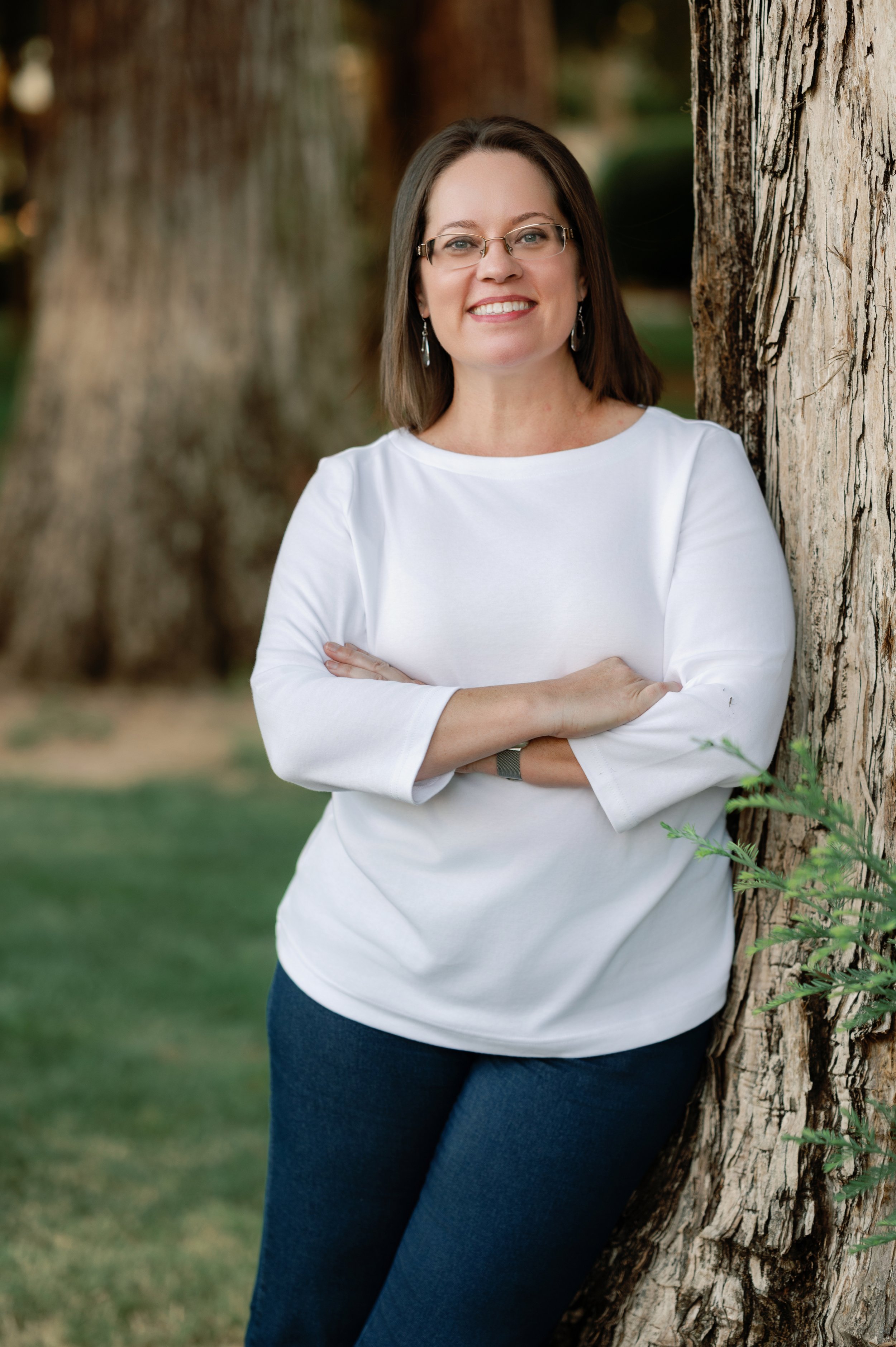
I'm Summer Verhines, a Licensed Clinical Social Worker (LCSW #68507) with a private telehealth practice serving all of California.
When you work with me, you're working with someone who has spent years focused specifically on grief and trauma, and who uses approaches designed to help that grief shift long-term instead of just being talked about.
I'm trained in EMDR, Brainspotting, and Accelerated Resolution Therapy (ART), all body-based methods that work with your nervous system directly.
That means we're not just processing what happened intellectually, we're helping your body catch up to what your mind already knows: that you can handle hope again, that your next appointment doesn't have to send you into a spiral, and that your life can hold more than this grief.

About Summer
Therapy Services Offered
Individual Weekly Therapy
Weekly therapy with me is a steady, collaborative space where you don’t have to perform, explain everything perfectly, or rush toward solutions. We’ll move at a pace that respects your nervous system, blending thoughtful conversation with evidence-based trauma approaches when helpful, so insight and relief can happen together. Some weeks may feel reflective and grounding, others more active and processing-focused—but always intentional and contained. Over time, clients often notice they feel more regulated, more confident in their responses, and less controlled by patterns that once felt automatic.
Intensives
Therapy intensives are longer, focused sessions designed to help you go deeper without the stop-and-start feeling of weekly therapy. In a 2- or 4-hour intensive, we create a carefully paced container that allows time for assessment, preparation, processing, and grounding—without rushing your system. These sessions often incorporate trauma-focused modalities such as EMDR, Brainspotting, IFS, or somatic work, with built-in breaks and regulation throughout. Clients often choose intensives when they want meaningful movement around a specific issue or feel ready for concentrated, intentional healing work. Learn more about intensives here.
Logistics
50-minute Sessions are $250.
I also offer 90-minute sessions for $375 and intensive sessions (2-6 hours) ranging from $500 to $1500 for people who want to work intensively.
I don't take insurance directly, but I can provide superbills for out-of-network reimbursement if your plan covers that.
I am available early mornings, evenings, and weekends. I provide services online only.

Self-Schedule or Contact Me Below
For the quickest and most confidential option, you’re encouraged to book directly into my calendar by clicking the Self-Schedule Here button below. That button will take you to my HIPAA-compliant calendar where you may request an appointment. Once I confirm your appointment request (typically within 24 hours), I will email you the new client forms to digitally sign. Then, we will meet on your scheduled day.
If you have questions prior to scheduling, you can also use the contact form below, and I’ll reply within 48 business hours. If you don’t see a reply, please check your junk/spam folder.
I look forward to hearing from you!
— Summer Verhines, LCSW
Contact Summer
Frequently Asked Questions
-
The first session is about me understanding your full picture. I'll ask about what you've been through, but I'm also listening for how it's showing up in your daily life right now: your sleep, your relationships, your body, the situations you avoid. That tells me where to focus the work. You don't need to share every detail of your loss in the first session if you're not ready.
-
No. The approaches I use, like EMDR and ART, don't require you to narrate your trauma over and over. We work with what's happening in your body and brain in ways that process the pain without requiring you to tell the whole story out loud.
-
Yes. Many clients find it helpful to have support during treatment rather than waiting until it's over. We can work on managing the emotional toll of the process as you go, and having someone in your corner who understands what you're dealing with can make the experience more bearable.
-
I charge $250 per session. I provide superbills for potential out-of-network reimbursement. Call the number on the back of your insurance card and ask about out-of-network mental health benefits to find out what your plan covers before your first session.
-
Support groups and communities can be incredibly helpful, and I'd never discourage you from connecting with others who understand. But groups can't help you process what's stored in your nervous system or work through trauma responses that are running in the background. They can witness your pain. Trauma therapy can help change your relationship to it.